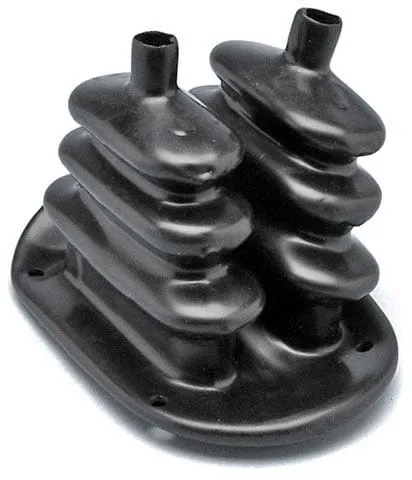


Step 1: Tires & Wheels
(Your Biggest “Feel It” Upgrade)
If your Jeep is stock, tires are the fastest way to change how it looks and how it performs off-road. A slightly larger, more aggressive all-terrain or mud-terrain tire can add real-world traction and improve ground clearance (especially at the diffs), while the right wheel width/backspacing helps prevent rubbing and keeps the stance stable. Start with a size that fits your current suspension (or needs only minor trimming), then pick a tread that matches how you actually drive—daily commute, weekend trails, or messy mud. This step alone makes the Jeep feel more capable, and it sets the foundation for every upgrade that comes after.

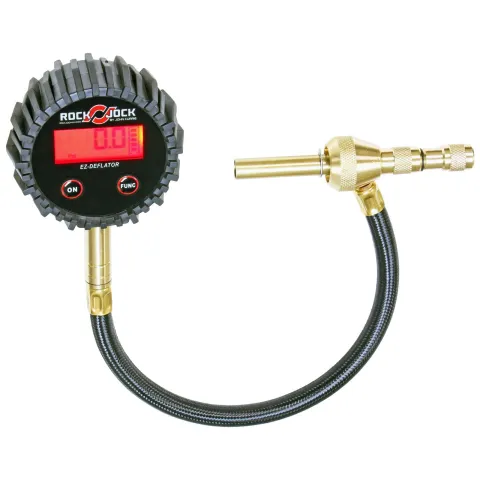
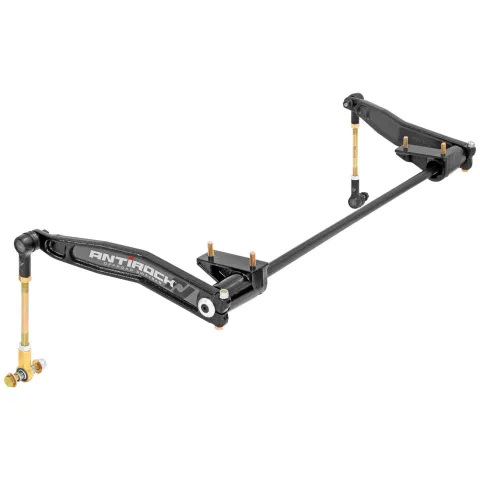
Step 2: Armor & Bumpers
(Protect It Before You Push It)
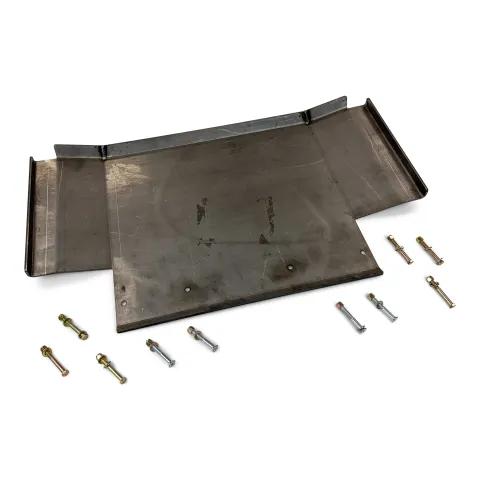
Before you start chasing bigger obstacles, protect the parts that are expensive (and easy to damage): oil pan, transmission, transfer case, rocker panels, and body corners. Skid plates, rock sliders, and quality bumpers let you make mistakes without paying for them, and they also improve approach/departure angles so you don’t drag the Jeep’s front and rear on ledges. Think of armor as “insurance” that unlocks confidence—once the Jeep can take a hit, you can safely explore harder lines without worrying that one bad scrape ends your weekend.
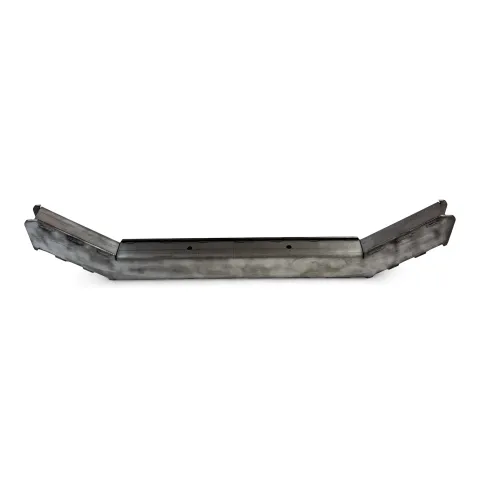

Step 3: Suspension & Lift Kits
(Make Room, Gain Control)
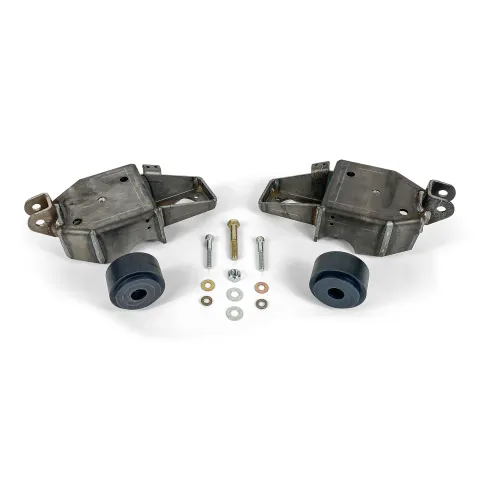
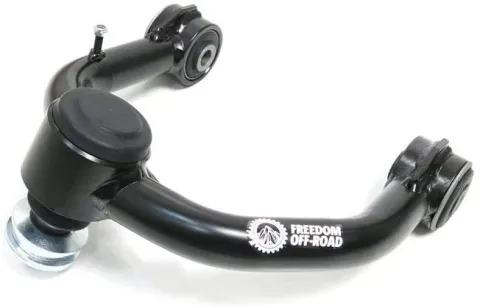
Once you know your tire goal, suspension is how you create clearance the right way while keeping the Jeep stable and predictable. A mild lift can clear larger tires and reduce rubbing, but the real win is control: better shocks, springs, and geometry corrections help the Jeep track straight, ride smoother, and flex more effectively on uneven terrain. Do this step with a plan—tire size, intended terrain, and budget—because “just lifting it” without matching components can create poor handling, steering issues, and accelerated wear.
Step 4: Air & Fuel
(Support Mods That Keep Power Consistent)
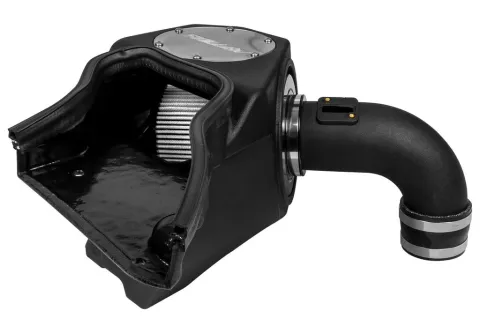
As you add weight (armor, bumpers, bigger tires) and drive more demanding trails, your Jeep benefits from support upgrades that keep throttle response and reliability consistent. Intake and airflow improvements can sharpen drivability, and fuel-related upgrades are about ensuring the engine gets what it needs under load—especially at altitude, heat, or long low-speed crawling where temps climb. This isn’t always the flashiest step, but it’s where a “built” Jeep starts to feel smoother, more responsive, and more dependable when you’re deep on the trail.
Step 5: Drivetrain, Differentials & Gearing
(Turn Tire Size Into Usable Power)
Bigger tires effectively “gear up” your Jeep, which can make it feel sluggish, hunt for gears, and strain components—so this is where you bring the whole setup back into balance. Re-gearing restores acceleration and crawl control, and upgrading axle shafts, differential components, and lockers adds the strength and traction needed for real rock crawling. This step is a major leap: the Jeep stops being “a lifted Jeep on big tires” and starts becoming a purpose-built off-road machine that can climb slower, safer, and with way more control.

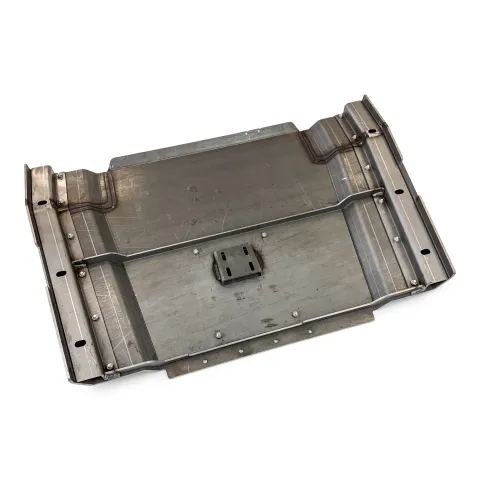
Step 6: Transmission & Advanced Crawl Setup
(Competition-Level Capability)
At the top tier—hard trails, big ledges, and technical crawling—your transmission and crawl ratio become the fine-tuning that separates “capable” from “unstoppable.” Strength upgrades, cooling, and crawl-focused gearing help the Jeep hold steady at ultra-low speeds without overheating or stressing components, and they make throttle input more precise when traction is limited. This is usually the most complex and shop-heavy step, but it’s also where a build becomes a true rock crawler: predictable power delivery, strong driveline integrity, and the confidence to take competition-style obstacles repeatedly.